
Redesigning Food Delivery UX/UI
-
How can Orderly make an ordering experience where mood drives choices in real time?
-
“In real time” is the wrong time to solve menu indecision.
79% of Americans have a difficult time deciding what to order. Thats because when we are hungry, our brain literally shuts down and we become “too hungry to think.”
We cannot afford to keep asking “what am I in the mood for?” in real time. But rather, “what am I in the mood for?” before losing our clarity.
-
Humans aren’t design to make decisions hungry.
The human brain uses two systems to make decisions:
System #1 is a gut reaction.
System #2 is more complex.
Deciding what to eat starts in System 1, but turns into System 2 when the hunger indecision hits.
-
Orderly guides your mind to make menu choices.
By engaging both decision-making systems before hunger hits, Orderly gets ahead of the moment. Guiding users straight to what they’re in the mood for, faster and smarter.
Scroll to read full case(y) study
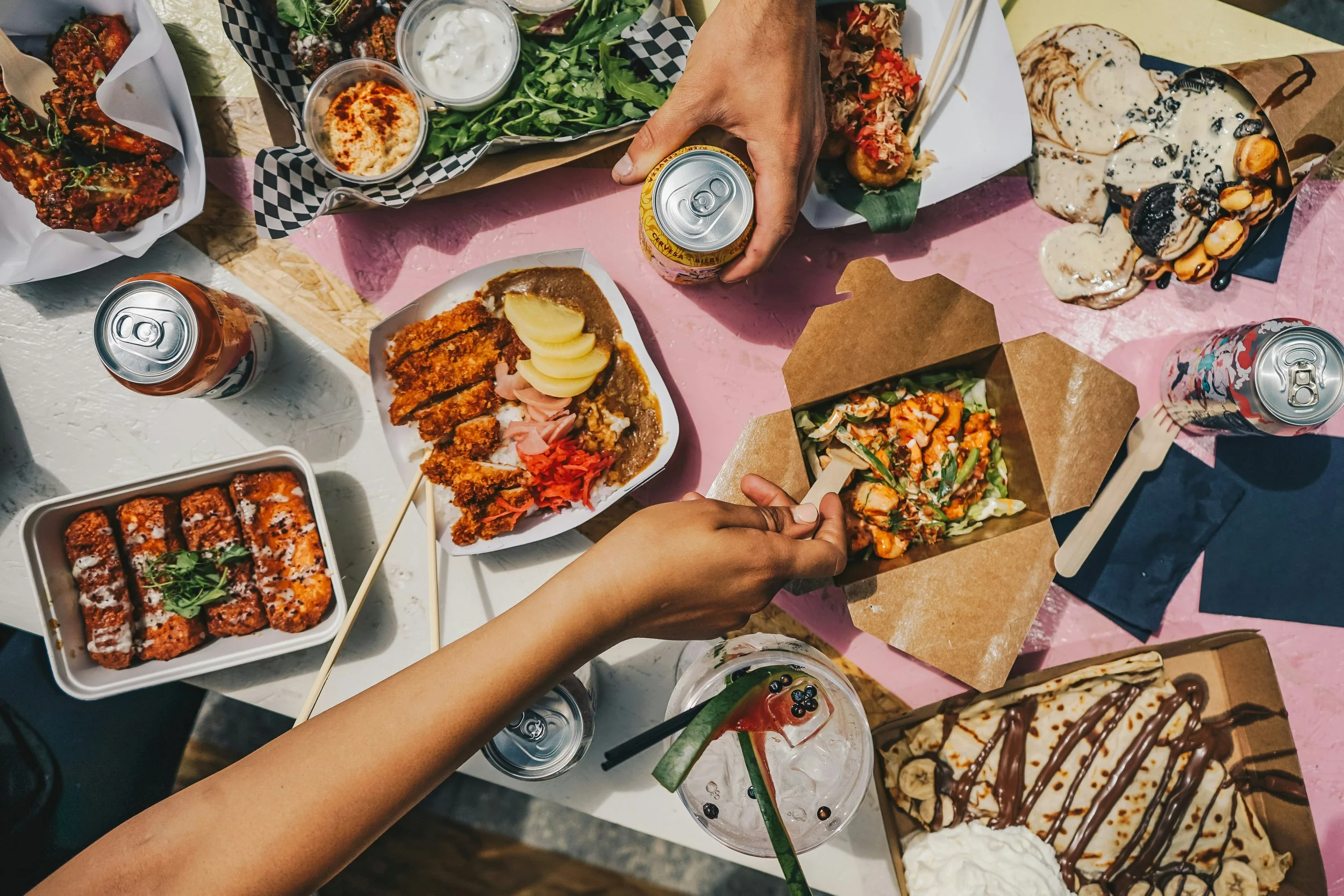
Orderly is a soon-to-be-released food delivery app designed to rethink the hungry user experience. Making it easier to order smarter and get your food sooner.
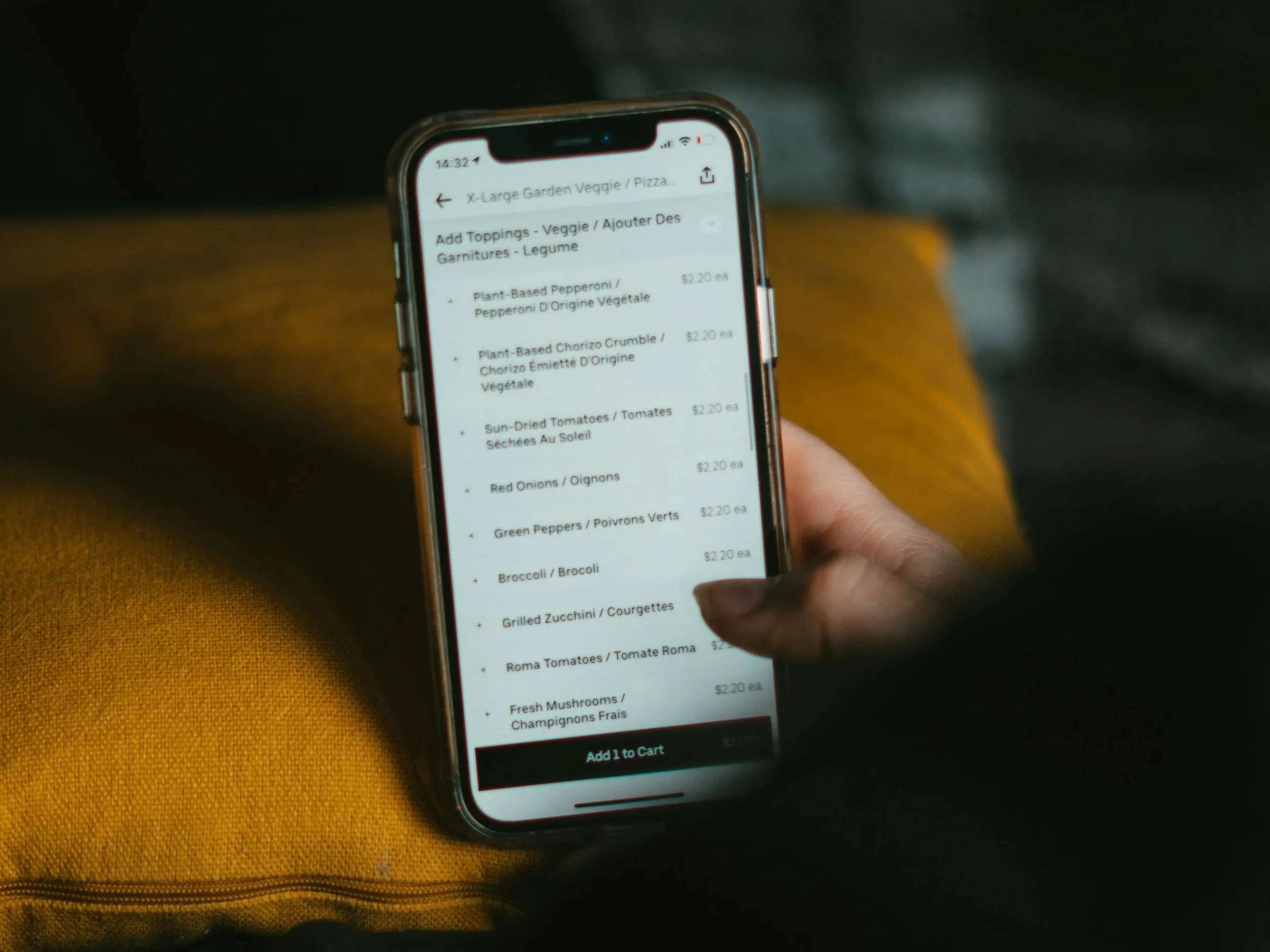
Ordering Indecision
Waiting Frustration
Delivery Disappointment
Ask
How can Orderly make an ordering experience where mood drives choices in real time?
Problem
“In real time” is the wrong time to solve menu indecision.
79% of Americans have a difficult time deciding what to order off a food menu.
The food delivery industry has tried solving the age-old question, “What am I in the mood to eat?” in real time. But that’s the wrong question, especially when it’s mealtime.
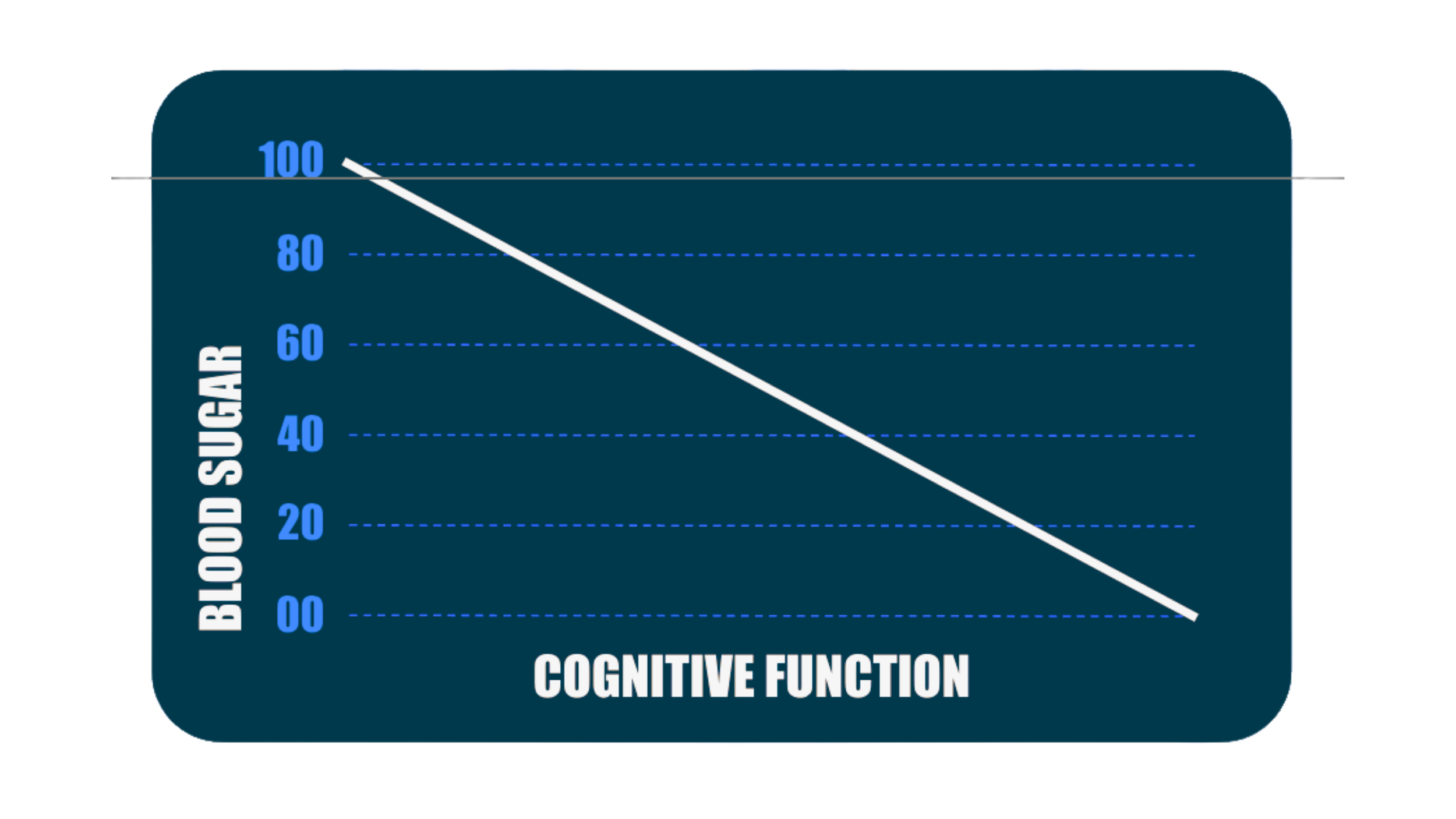
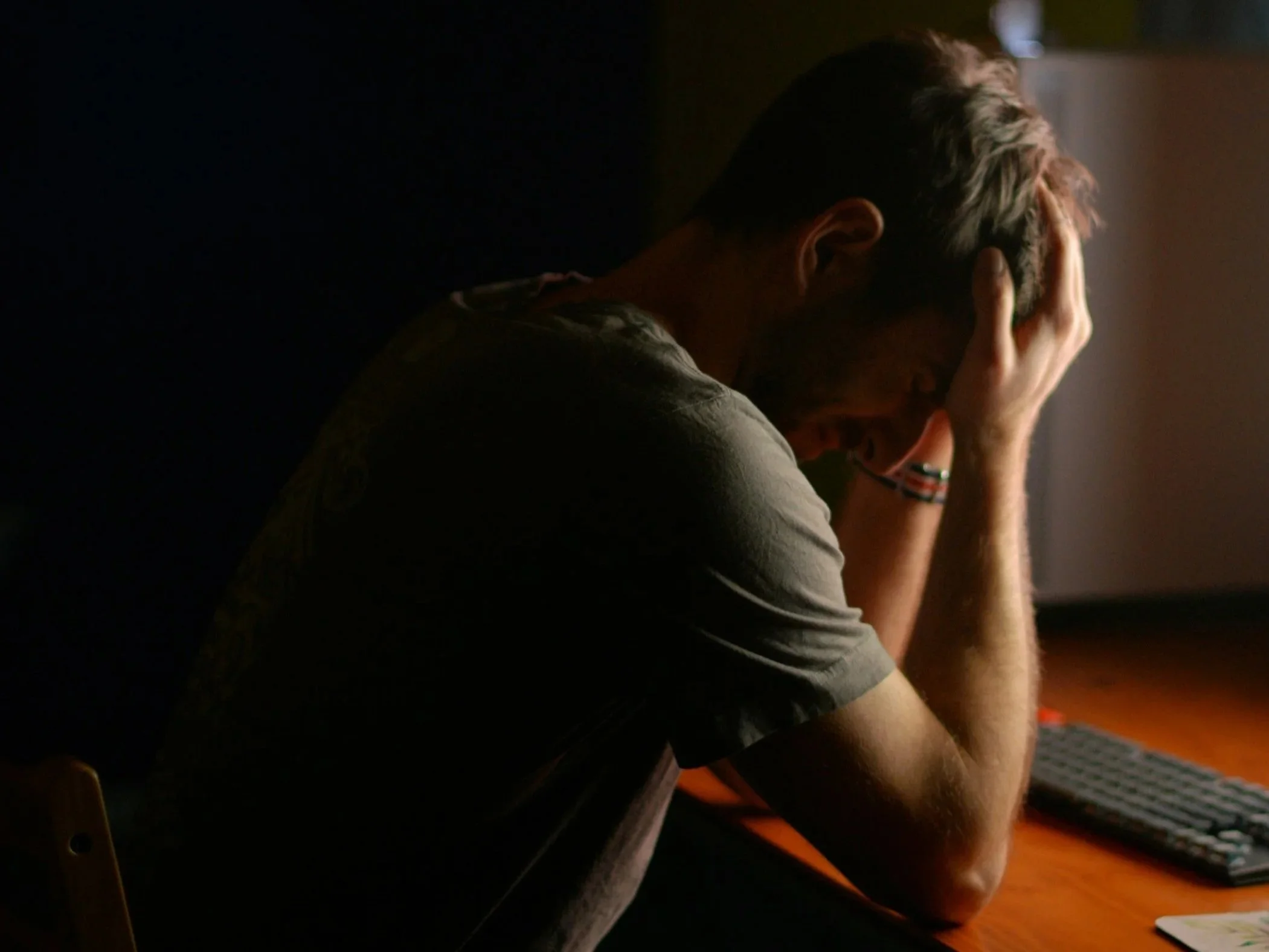
Because when we are hungry, our brain literally shuts down. Within a matter of minutes, we become:
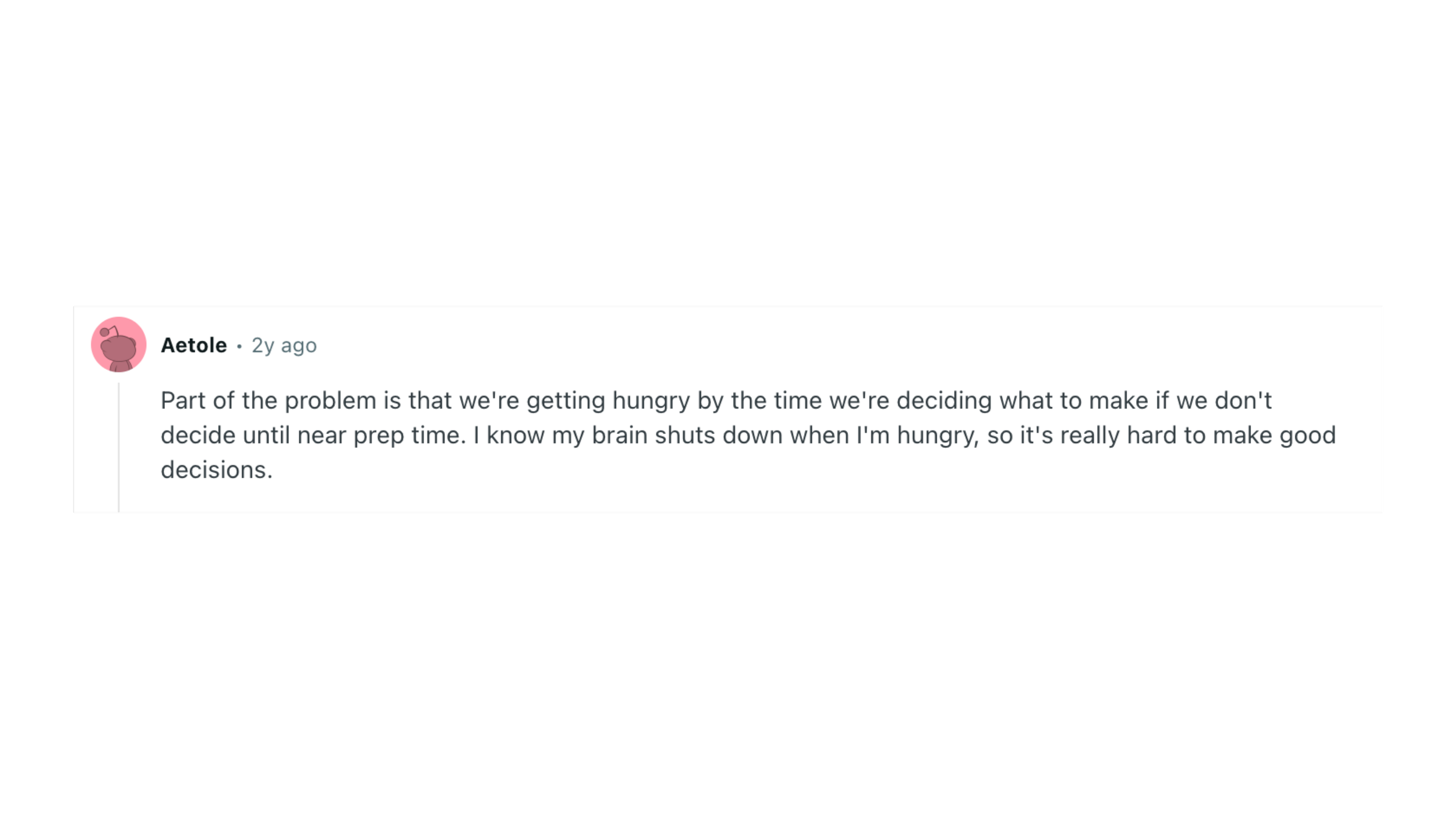
“Too hungry to think.”
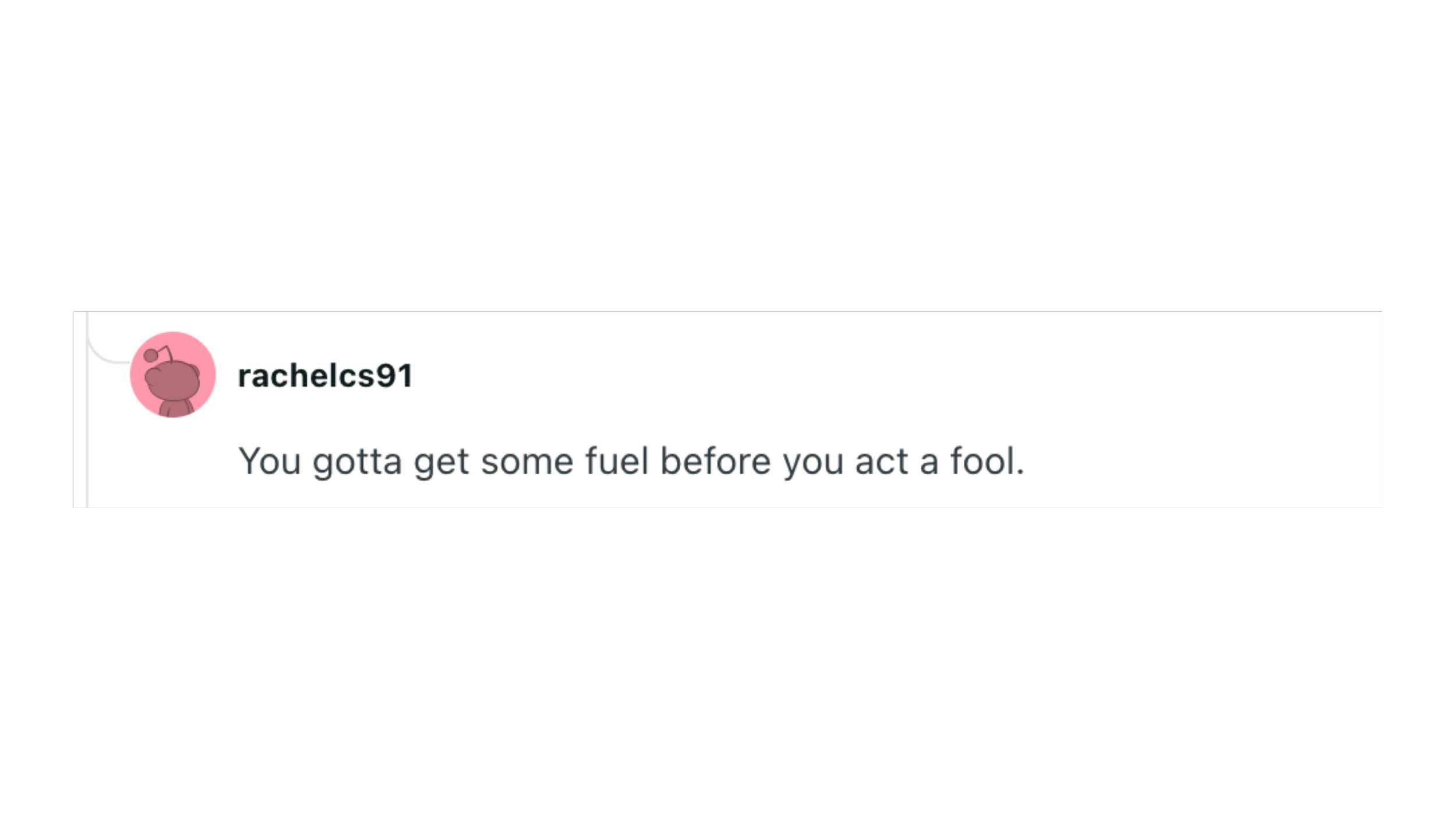

The irony of food delivery:
We are expected to make smart food decisions when we are the least capable of making them.
“Too hungry to function.”
Insight
Humans aren’t designed to make decisions hungry.
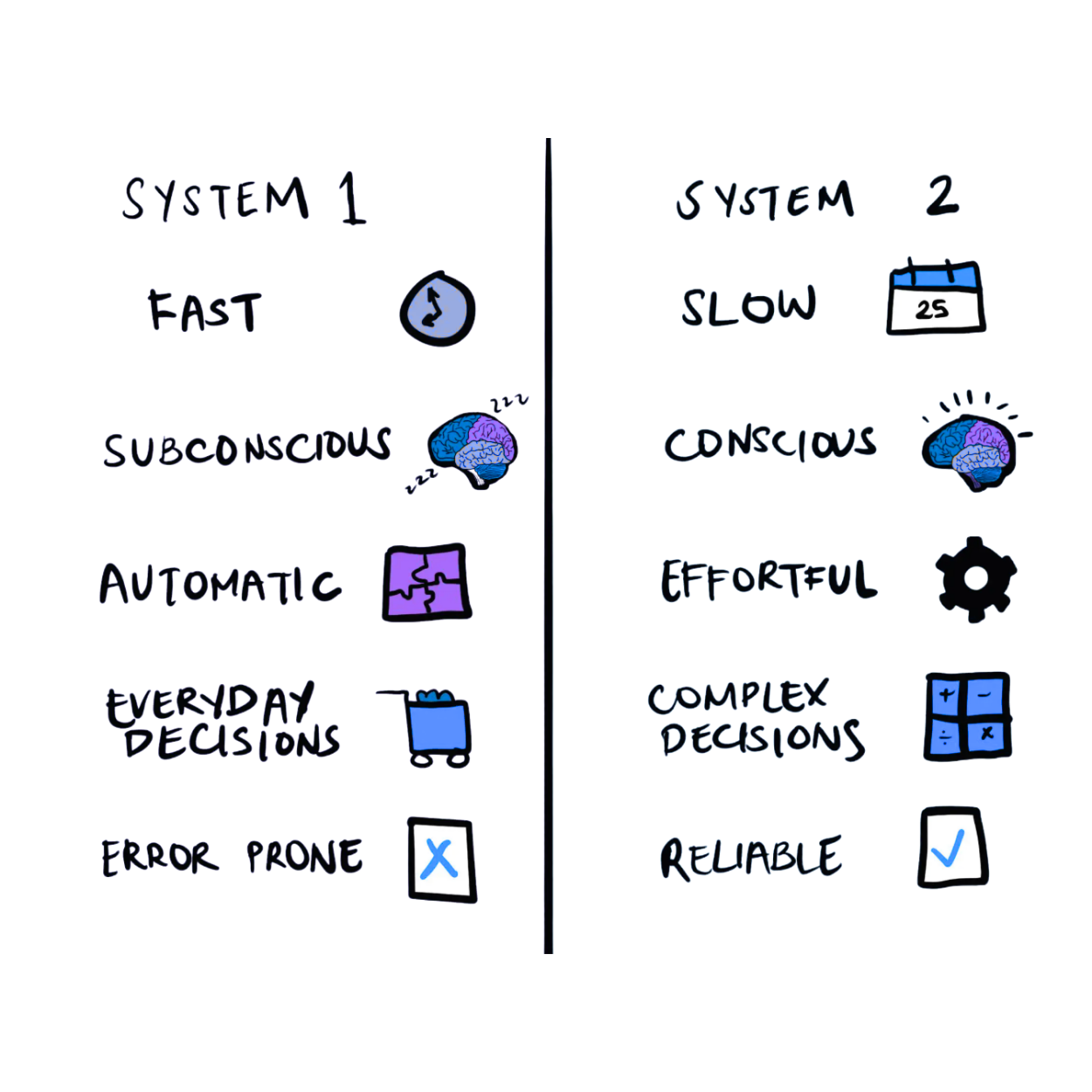
The human brain uses two systems to make decisions.
System #1:
Eating when you’re hungry. (duh)
You can think of this type of system as a gut reaction type of decision-making. It’s fast, automatic, and doesn’t take any emotional effort.
System #2:
Analyzing 40 Google reviews before ordering.
Unlike the first, this requires a level of self-awareness and complex thinking.
Deciding what to eat should be System 1, but turns into System 2 when hunger indecision hits.
So what if?
Your system 1 subconscious picked the meal before your system 2 conscious shuts down?
Strategy
Orderly guides your mind to make menu choices.
By engaging both decision-making systems before you’re hungry, Orderly gets ahead of the moment. Guiding users to decide what they’re in the mood for, faster and smarter.
Creative Concept
Mind Eats First
A series of periodic check-ins to build your menu before the mealtime meltdown.

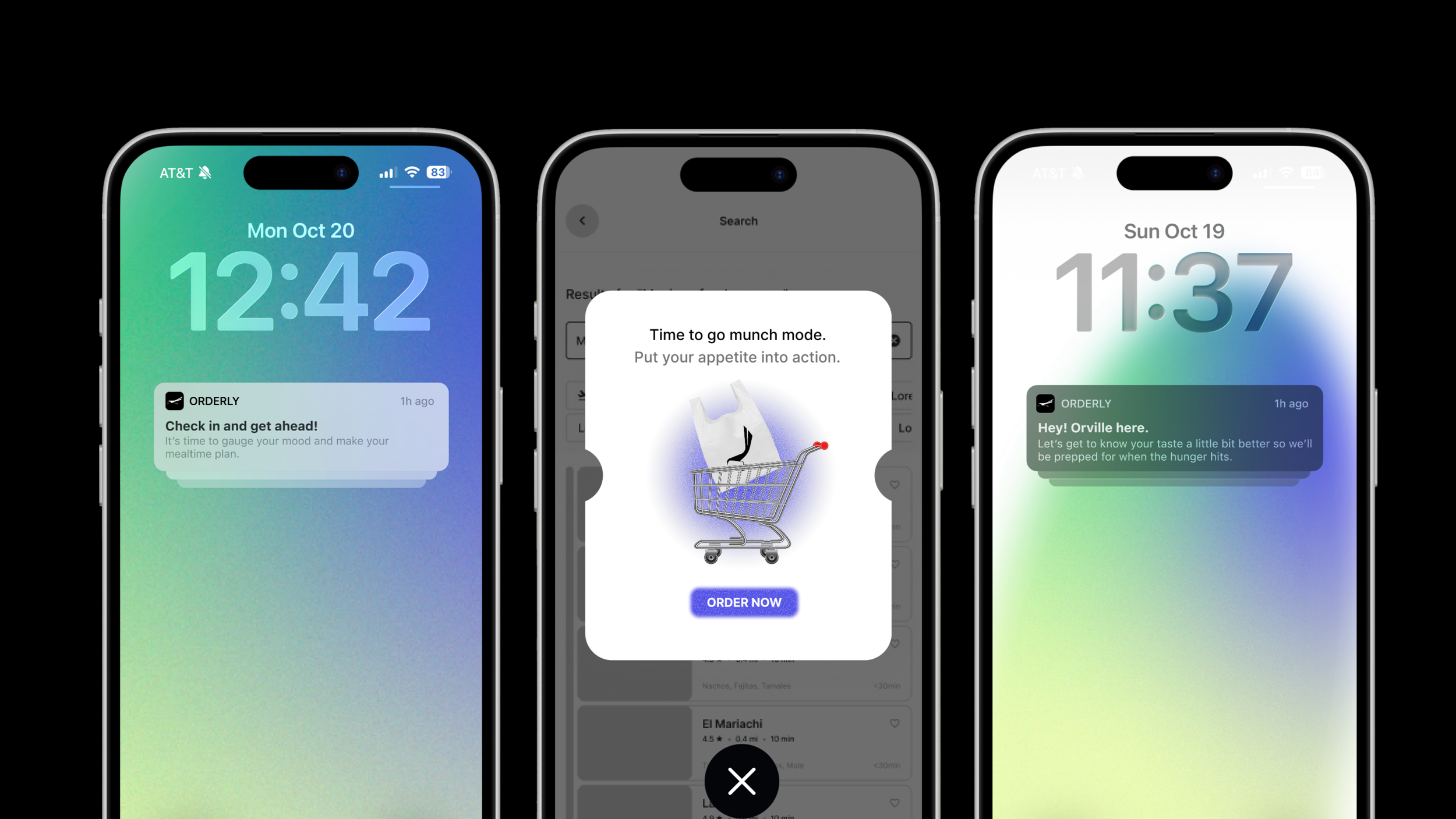
System 1:
Visually Guided Prompts
Fast & Automatic
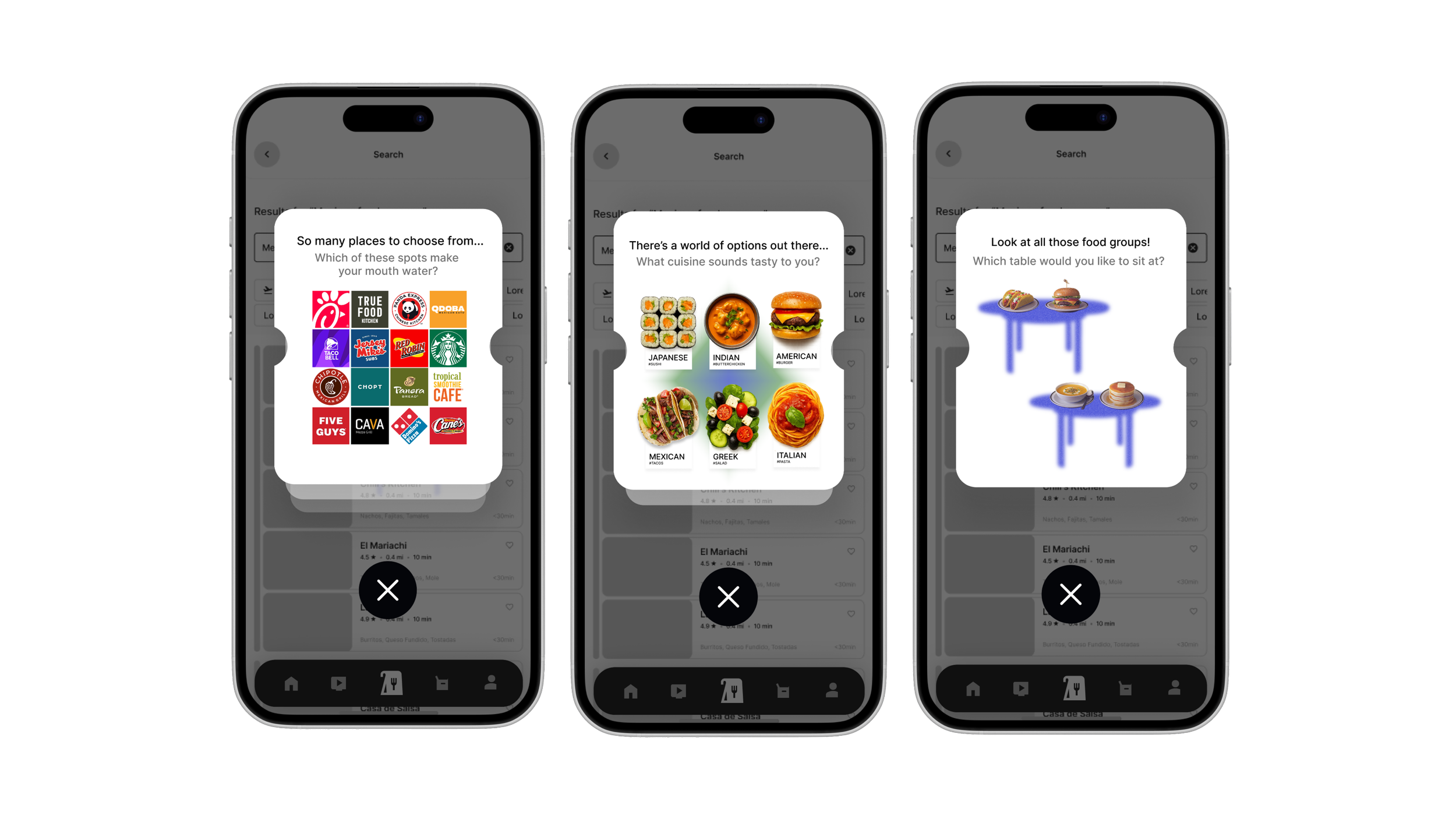
System 2:
Emotionally Guided Prompts
Slow & Thoughtful
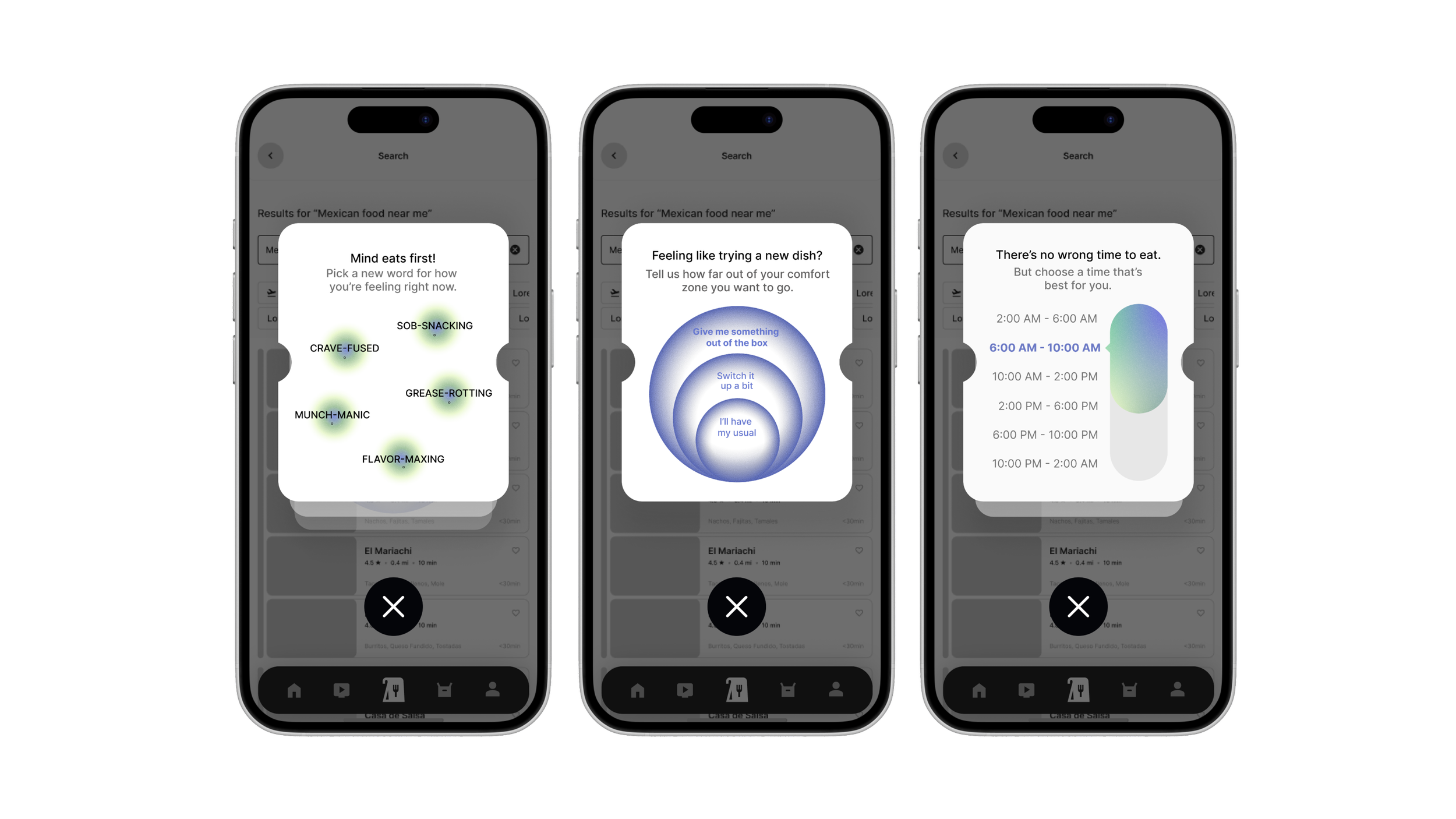
User Incentive:
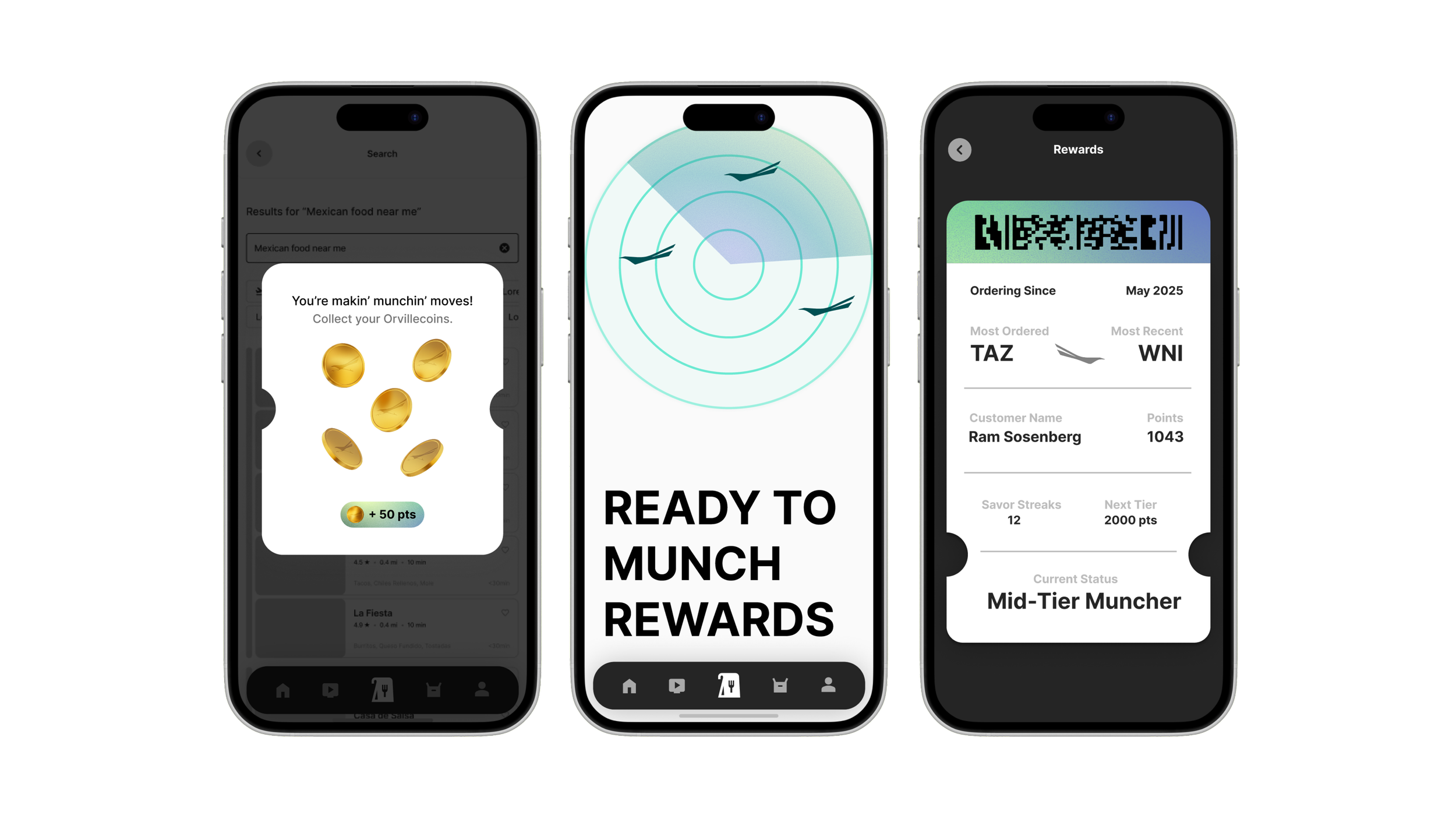
Orderly Rewards
Engaging & Encouraging
Team
Casey Hall - Strategy
Izzy Pinson - Art Direction
Meredith Moore - Experience Design
Sam Rosenberg - Copywriting
Noah McKee - Creative Brand Management